
| Search PNC News for stories of people and churches in our UCC Conference: |
|---|
Amy Roon engages in a ministry of presence
Since starting a ministry of presence with incarcerated youth, the Rev. Amy Roon, has been hearing Jesus’ words in Matt. 25:36, “I was in prison and you visited me,” in a new way.
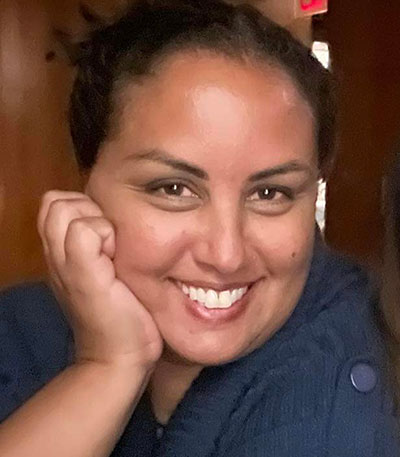 |
Amy Roon invites others to learn about her chaplaincy. Photo courtesy of Amy Roon |
“Jesus does not say, ‘I was in prison and you fixed me.’ He does not say, ‘I was in prison and you decided whether I deserved your compassion.’ He says simply, ‘I was in prison and you visited me,’” she said.
The ministry she is now doing provides chaplaincy and pastoral care to young people experiencing incarceration. Right now, it’s mostly volunteer, as most of the chaplains at the King County Juvenile Services jail, which holds 30 to 60 youth from 17 to 25 years old for one week to several years. Most youth are released to go home with electronic monitoring devices.
She is working to build a base of support to do the chaplaincy full time.
For 15 years, Amy, who graduated from Pacific School of Religion in 2002, was on the ministry team of University Congregational UCC in Seattle. She left to pursue this new ministry. Previously she served at the United Churches of Olympia and as a licensed pastor at Lummi Island UCC.
“This ministry has been several years in the making, growing out of personal experiences with people in the carceral system and awareness that few people in progressive churches are providing a presence in the county jail or state prison systems,” she said.
“Most chaplains are there to meet people in a vulnerable space spiritually, mentally and developmentally to bring them to Christ,” pointed out Amy. “We need to be a non-anxious presence for someone, to pray for them in a troubling time. That has nothing to do with atonement theology.”
While progressive pastors may visit someone in their parish who is in jail or prison, most are not in relationship with the prison system or culture to be regularly in the lives of youth who are incarcerated. Most guards and social workers who relate with the youth are not part of their lives, she pointed out.
Amy commented on the complex bureaucracies of the county juvenile and adult jail systems, and the state prison system, and how being 17 years and 364 days old compared to being 18 when one’s case is being processed or there is a conviction can make a difference where someone is placed.
“I’m an abolitionist and would prefer an alternative to these systems, but we cannot abandon those who are in them because the world is not working the way we want it to work,” she asserted.
For her, Matt. 25 is not only a call to her own ministry, but also an invitation to the local and wider church.
“Not everyone in a congregation can regularly enter a juvenile detention facility, but every congregation can help make sure the church is present there,” she said, noting that the ministry begins by showing up.
“Incarceration is by design about separation,” Amy said, telling of young people being separated from neighborhoods, schools, friends, families, faith communities and much of ordinary life. Locked doors do more than restrict physical movement. They make relationship, spiritual care, community and belonging much harder to access.
“Congregations gather in sanctuaries and invite people through their doors, but incarcerated young people cannot come through those doors,” Amy said. “So, the church must find ways to go to them.”
The heart of Amy’s chaplaincy is showing up consistently, learning names and stories, listening without judgment, offering prayer when it is wanted, and reminding young people that they remain worthy of dignity, relationship, hope and love.
Amy has been struck by how readily young people welcome prayer when it is offered without pressure.
“Their prayers are deeply human ones—for freedom, for another chance, for people they love and for hope,” she described.
She believes the ministry of presence is inseparable from the work of justice.
Young people experience incarceration within the realities of race, poverty, disability, unequal access to opportunity and systems that have treated some children and communities differently from others, she said.
“For Christians, racial justice begins with the conviction that every person bears the image of God,” Amy explained. “If Christ asks the Church to recognize him in the person behind the locked door, Christians must also ask who is behind those doors, why some communities are represented there so disproportionately and what responsibility the Church has to respond.
“Presence does not replace the work of changing unjust systems. It gives that work names, faces, stories and relationships,” she continued.
“Our faith is built around repentance, forgiveness, reconciliation, transformation, resurrection and new life,” she said, explaining that chaplaincy creates relationships in which young people can be held accountable while someone continues to recognize their dignity and believe another future is possible.
Chaplaincy bears witness not only to what a young person has done, but to who that young person is—and who they are trying to become, she said.
Amy knows that most incarcerated young people eventually return to their communities. The question is what kind of community is waiting when they do.
How can congregations and individuals can help make that presence possible? she asks.
Amy invites people to pray for the young people and relationships being formed, to give through mission support, special offerings or individual contributions, to learn by inviting her to preach, teach or lead a conversation about incarceration, racial justice and this ministry.
She also calls people and congregations to discern how faith communities might become places of welcome and belonging for young people returning home.
Amy is available to visit churches to preach, teach and speak to groups in congregations to share more about the ministry as she seeks to build a support base for the work that is also her passion.
She is conversing with several churches about being the nonprofit to receive donations and grants to back this chaplaincy. Amy also has been working as a consultant with 35 years as a pastor, educator, facilitator and motivational speaker, teaching, leading and mentoring diverse groups.
For information, call 206-605-6893, email amyroon@gmail.com or visit pastoralfamilysupportservices.com.
Pacific Northwest United Church of Christ Conference News © October 2026
Share this article on your favorite social media 